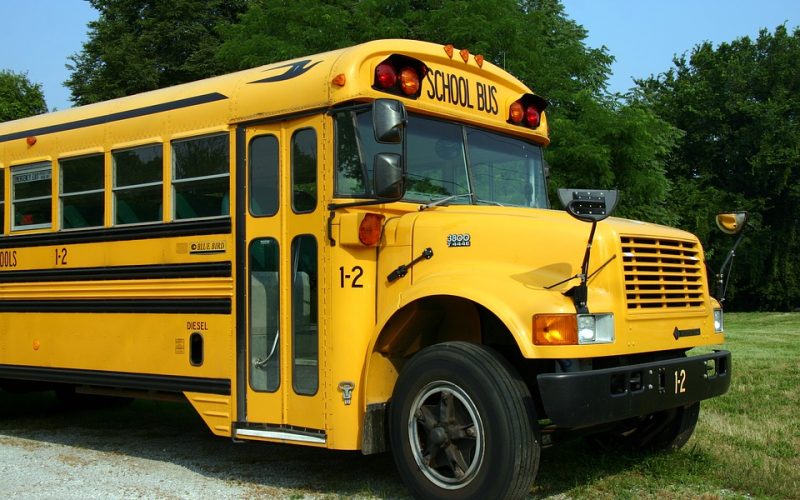
For many families, the school bus is simply part of the routine — an unremarkable part of the day that bookends mornings and afternoons. But for children spending an hour or more travelling each way, those rides are far from trivial. Research increasingly suggests that long school bus journeys can take a quiet but meaningful toll on children's physical health, emotional wellbeing, and academic performance.
The physical cost of sitting still
Extended periods of sitting are hard on growing bodies. Children on long bus rides are confined to seats with little opportunity to move, stretch, or exercise. This prolonged sedentary time can contribute to fatigue, poor posture, and reduced physical activity overall. When you consider that many children are also sitting for most of the school day, the cumulative effect becomes even more concerning. The journey that was meant to get them to school ends up draining the very energy they need once they arrive.
Tiredness that follows them into the classroom
Early morning pick-up times are a common feature of long school bus routes, often requiring children to wake significantly earlier than recommended for their age group. Sleep deprivation — even mild, chronic sleep loss — has well-documented effects on children's concentration, mood, and memory. A child who boards a bus at 6:30am after a fitful night's sleep is already at a disadvantage before the school day has even begun. Teachers may notice restlessness, irritability, or difficulty focusing, without necessarily connecting these behaviours to what happens before the first bell rings.
Emotional strain and social dynamics
The school bus is an unsupervised social environment, and for some children, that presents real challenges. Bullying, social exclusion, and anxiety about peer interactions can make long rides genuinely distressing. Younger children, in particular, may find it difficult to decompress or seek help during the journey. Over time, the dread of a long, uncomfortable ride can affect a child's overall attitude towards school — creating a negative association that extends well beyond the bus itself.
The impact on family time and after-school activities
When children spend two or more hours each day commuting, something has to give. Homework gets pushed later into the evening. Participation in sports, creative activities, or community groups becomes harder to sustain. Family dinners — long recognised as important for children's development and communication — get squeezed or skipped altogether. For parents, especially those managing work schedules around school pick-up times, long bus routes can add significant logistical and emotional pressure to an already demanding routine.
What parents and schools can do
Awareness is the first step. Parents who notice persistent fatigue, reluctance to attend school, or changes in their child's mood may find it worthwhile to consider whether their commute is a contributing factor. Open conversations with schools about route planning, pick-up times, and bus supervision can lead to meaningful improvements. Where possible, schools can also offer quiet, low-stimulation environments for early arrivals to rest before lessons begin. Small adjustments — staggered start times, shorter or restructured routes — can make a measurable difference to children's daily experience.
Rethinking the journey to school
The school run is rarely treated as a wellbeing issue, but perhaps it should be. Children's health and happiness don't begin at the school gate — they're shaped by everything that comes before it. Giving serious attention to the length and conditions of school bus journeys is not a minor logistical concern. It's a meaningful part of supporting children to arrive at school ready, rested, and able to learn.